
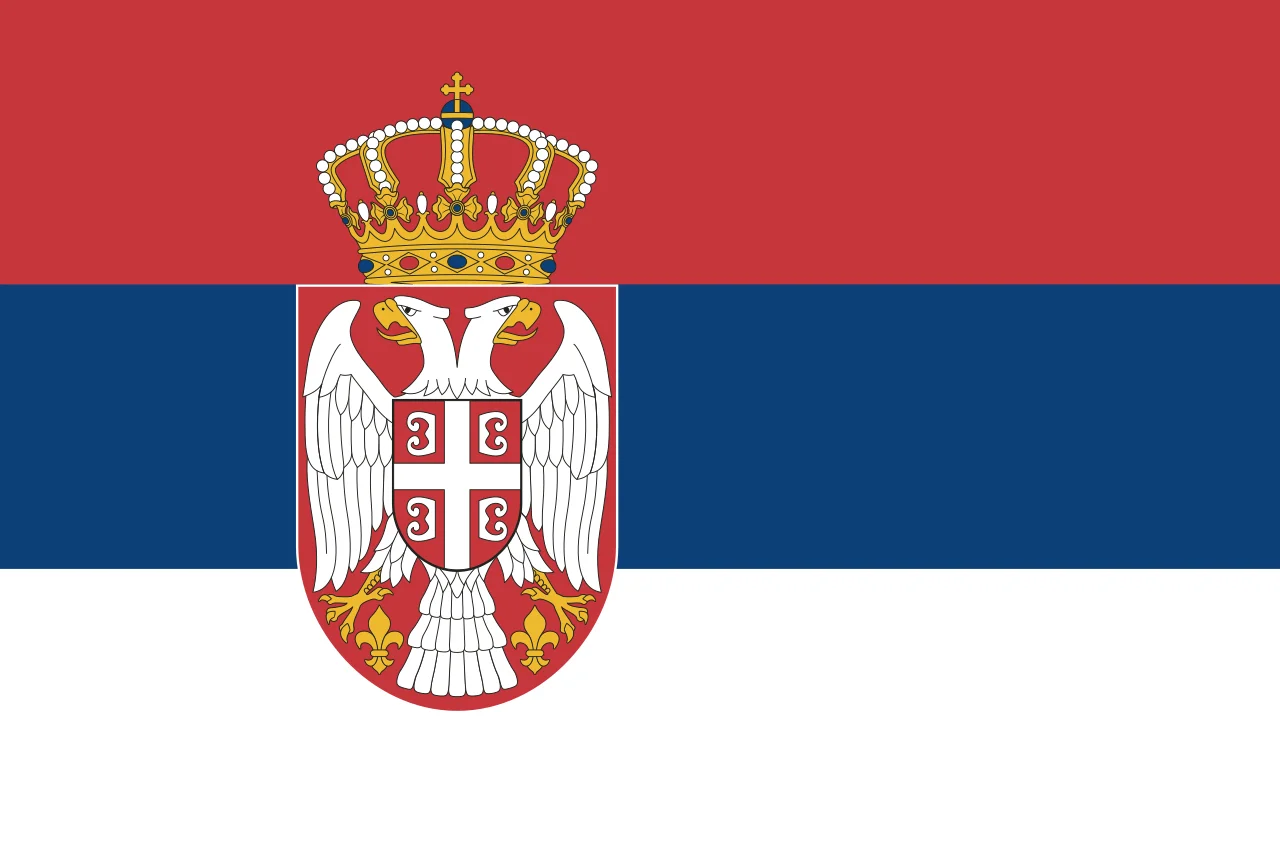
Is Serbia Taking Stake in Hungary’s Paks 2 Nuclear Project Following US Green Light for Financing?

The prospect of Serbia acquiring an ownership share in Hungary’s Paks 2 Nuclear Power Plant gained momentum after the U.S. Treasury Department’s Office of Foreign Assets Control (OFAC) issued General License that authorizes necessary financial transactions for the continued financing and construction of the major energy project, easing the path despite the involvement of sanctioned Russian entities
The decision is particularly important for Belgrade, as top Serbian officials have repeatedly signaled their strong desire to secure a stable energy source through a co-ownership model in the facility.
Belgrade’s Commitment to Nuclear Co-Ownership
Serbia’s interest in the Paks 2 expansion, which features two new Russian-designed VVER-1200 reactors, has been publicly articulated at the highest levels.
President Aleksandar Vučić, as far back as November 2021, stated that Serbia was prepared to purchase a 5, 10, or 15 percent stake in the nuclear power plant and was ready to pay for that share “immediately, in cash.” Finance Minister Siniša Mali later reaffirmed this intention, emphasizing that the goal is to utilize the co-owned energy share to supply Serbian citizens and the national economy. As Serbian weekly Nedeljnik reported, Serbia is actively pursuing this co-ownership as a strategic move to secure a long-term, stable energy source from a sustainable supplier.
Paks 2 Project Context
The Paks 2 project is led by Russia’s state nuclear corporation Rosatom. Construction is underway, with the first concrete for the foundation of the fifth reactor having been poured in August 2024.
The OFAC license is a crucial step for Budapest, as it allows transactions essential for the project’s realization, specifically naming major sanctioned Russian financial institutions that may participate in the financing.
Serbia’s Return to Nuclear
The pursuit of the Paks 2 stake aligns with Serbia’s shift in energy policy. The country lifted its 30-year moratorium on nuclear energy exactly one year ago, paving the way to actively consider atomic power as a long-term solution to reduce its heavy reliance on coal. A preliminary feasibility study regarding the reintroduction of nuclear energy in Serbia has been completed, though its detailed findings have not yet been released.
Other News

Welding of the primary ring on the second block of the Akkuyu Nuclear Power Plant in Turkey has been completed.
The Akkuyu Nuclear JSC, a subsidiary of the Russian state corporation Rosatom, has completed welding...

Endless saga – a dispute over August threatens to delay Sizvel C
Due to disagreements over costs and changes to a project worth around 30 million pounds, the managem...

Welding of Akkuyu 2's primary circuit completed
The welding of the main coolant pipeline at the Turkish site was completed in 73 days and included 3...

Rosatom and Egypt discussing more potential units
Alexei Likhachev, Director General of the Russian state nuclear corporation, met with Egypt's Minist...

Comments
No comments yet. Be the first!
Leave a comment