
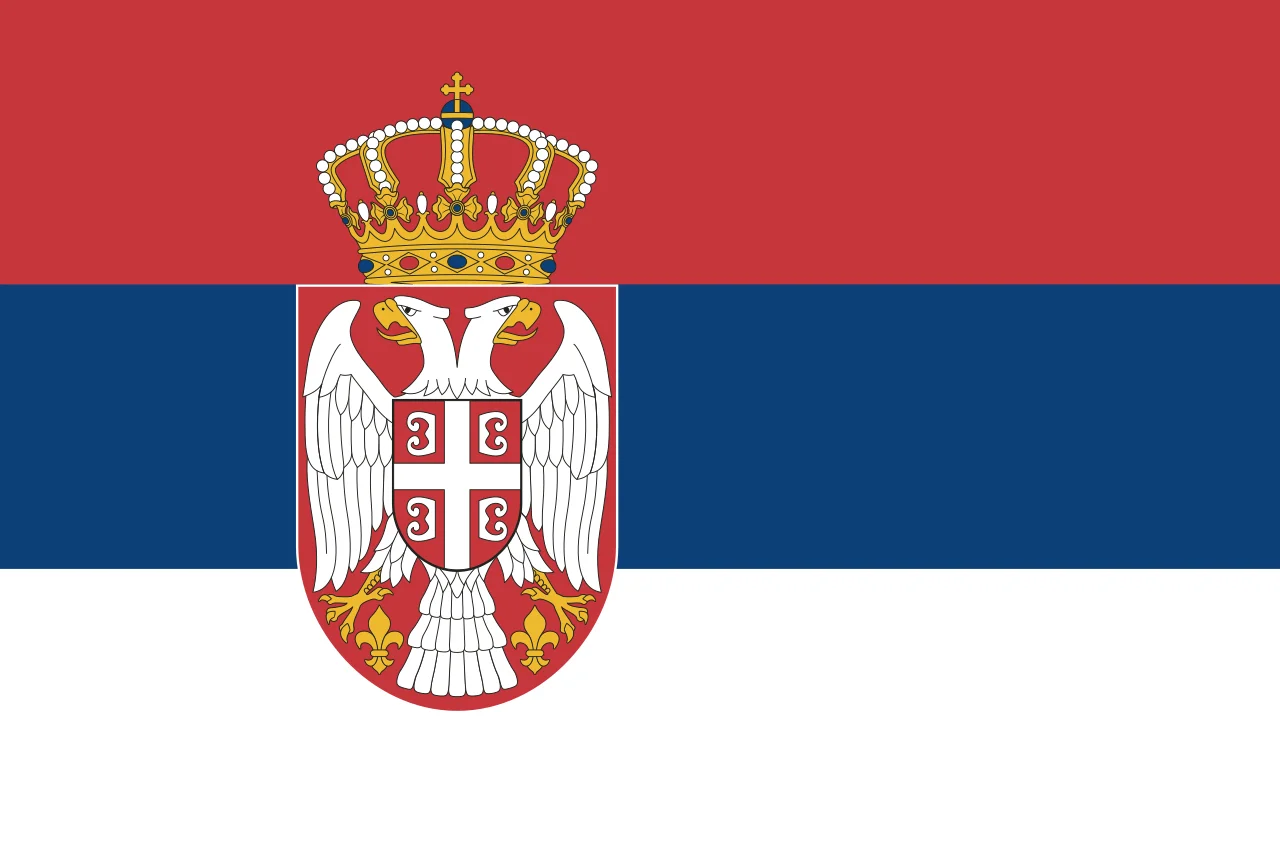
Preparations and Feasibility Analysis for Serbia’s Nuclear Program Development Underway

Rados Popadic, Assistant Minister of Mining and Energy for Electricity, emphasized today that Serbia has taken significant steps in developing strategic guidelines regarding the peaceful use of nuclear energy, according to a statement from the Ministry of Mining and Energy (MRE)
 Foto: MRE
Popadic made these remarks during the opening of the conference “Towards a Nuclear Future – European Partnerships for the Serbian Energy Transition” at the French Embassy. He reminded attendees that, through amendments to the Law on Energy, Serbia has practically initiated the first phase of its nuclear program development.
“Serbia, like other European countries, is in the midst of an energy transition process where new sources of baseload energy are essential for phasing out coal production. We have lifted the ban on the construction of nuclear power plants, which had been in effect since 1989, and have begun multi-year preparations and a feasibility analysis for the nuclear program, in line with the recommendations of the International Atomic Energy Agency (IAEA),” Popadic stated.
International Cooperation and Knowledge Exchange
The Assistant Minister stressed that the exchange of experience with countries possessing top-tier expertise in this field is crucial at this stage. To date, Serbia has signed memorandums of cooperation with leading global partners:
- EDF (France)
- KHNP (South Korea)
- The Russian Federation
- The United States (cooperation at a similar level)
Popadic noted that there are ongoing initiatives to expand cooperation with other countries, aiming to improve the regulatory framework, strengthen human capacities, and organize professional training.
Regional Context and Safety
Speaking on the safety of modern nuclear technologies, Popadic pointed to the approaches of neighboring countries. “Countries such as Slovenia, Hungary, Bulgaria, and Romania already have operational nuclear power plants and are planning their further development. It is beneficial for us to examine their experiences and initiate a public dialogue on the role of nuclear energy, especially with the younger population,” he added.
Institutional Connectivity
At the conclusion of the presentation, the importance of synergy between relevant domestic institutions was emphasized, including the ministries of science, finance, and environmental protection, as well as the “Vinča” Institute, the Serbian Radiation and Nuclear Safety and Security Directorate (SRBATOM), and the country’s leading universities and faculties.
Other News

Welding of the primary ring on the second block of the Akkuyu Nuclear Power Plant in Turkey has been completed.
The Akkuyu Nuclear JSC, a subsidiary of the Russian state corporation Rosatom, has completed welding...

Endless saga – a dispute over August threatens to delay Sizvel C
Due to disagreements over costs and changes to a project worth around 30 million pounds, the managem...

Welding of Akkuyu 2's primary circuit completed
The welding of the main coolant pipeline at the Turkish site was completed in 73 days and included 3...

Rosatom and Egypt discussing more potential units
Alexei Likhachev, Director General of the Russian state nuclear corporation, met with Egypt's Minist...

Comments
No comments yet. Be the first!
Leave a comment