
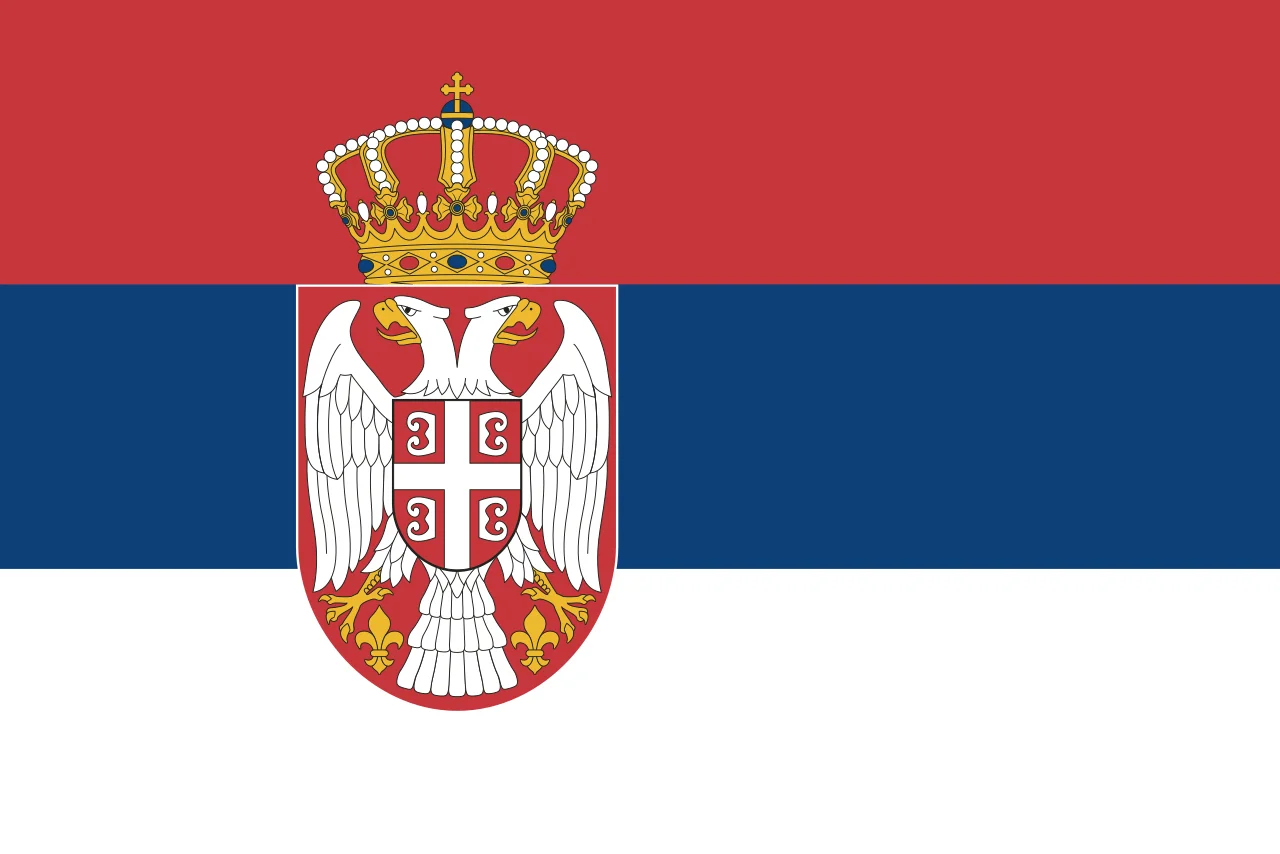
Comprehensive Analysis of Serbia's Nuclear Industry: Technologies, Partners, and Development Prospects.

Revival of nuclear energy in Serbia represents a strategic shift, driven by the forecast fourfold increase in energy consumption by 2050. The lifting of the moratorium in effect since 1989 is the first and key step in implementing the country's long-term energy strategy. Serbia is actively negotiating with several leading global players, including Russia, South Korea, and France, using a multivector approach to secure the best terms.
The national industrial base of Serbia currently lacks sufficient competencies to build nuclear power plants, which makes it completely dependent on foreign contractors. Nevertheless, the country has a solid scientific and regulatory base, concentrated in the Vinča Institute of Nuclear Sciences and the Directorate for Radiation and Nuclear Safety. A significant risk to the project is represented by potential public protests, which may arise from the already existing powerful environmental and anti-corruption movement. The success of implementing the program will depend on the Serbian government's ability to balance economic, technological, and political risks, as well as on the effectiveness of dialogue with the public.
Latest News

KHNP terminated negotiations with the Daewoo-Doosan consortium regarding the construction of new reactor blocks at Dukovany.
The South Korean company Korea Hydro & Nuclear Power (KHNP) has officially terminated contract n...

European fuel cycle for molten-salt-cooled reactors
A Dutch-French company that is developing Thorizon molten-salt reactors and the European uranium enr...

Turkish oil refiner to consider SMR deployment
Scheduled to take about one year, the study is intended to examine various US small modular reactor...

Nuclear fuel delivered for Bangladesh's second unit
The delivery was by cargo plane and then by road. The fuel assemblies were produced at the Novosibir...

Comments
No comments yet. Be the first!
Leave a comment